September 25, 2026
A felt-making class in March and the same class in October can feel like two different crafts. In spring you're working with the windows open, fresh dyestuffs on the table, and a project you can carry home the same afternoon. In autumn, the room smells of wool and beeswax, the tea keeps coming, and nobody minds that the piece won't be finished today.
Season shapes a workshop more than most people expect: which materials are available and how long they last, how much daylight you have for judging colour, how long you can comfortably sit, and how much patience a project asks of your hands. If you're deciding where to spend a Saturday or a whole term, here's a practical comparison.
What Actually Changes With the Season
Four things shift, and they matter more than the weather.
Materials. Spring brings fresh plant matter — leaves, petals, sap-rich stems, new growth — which is beautiful but perishable. Autumn brings dried, cured, and stored materials: wool fleece, dried flowers, walnut hulls, soaked reed, seasoned timber. Dried materials keep, so you can work slowly.
Light. Long spring evenings give you hours of natural light, which matters when you're matching colours or watching a dye bath. Autumn light is lower and warmer; it flatters deep tones but makes fine detail work harder after four o'clock.
Session length. Spring sessions tend to be short and energetic: three hours, one technique, one finished object. Autumn sessions run longer, or repeat weekly, because the projects are built in stages.
Comfort. Heated studios dry out fresh materials quickly; spring rooms with doors open let in pollen and breeze, which disturbs delicate work. Dress in layers and bring an apron.
Spring Workshops: Fresh Materials, Quick Results
Spring suits people who want to try something new without a long commitment. The palette is bright and the results come fast.
Typical spring projects
- Botanical contact printing on cotton and silk, using fresh leaves and petals
- Fresh-flower pressing into cards, bookmarks, and framed herbarium pieces
- Natural dyeing with fresh leaves, onion skins, and early garden blooms
- Hand papermaking with fresh pulp, seeds, and petals
- Light embroidery and sashiko on linen
- Hand-built planters and garden ceramics
What spring asks of you
Decisiveness, mostly. Fresh materials don't wait: leaves bruise, petals wilt, and a dye bath left too long gives a different colour than the one you planned. Spring workshops make excellent first classes because a single session usually produces something finished to take home.
A sensible caution: some plants and fresh saps irritate skin, and pollen bothers plenty of people. If you have sensitive skin or hay fever, tell the host before the session and ask about gloves, ventilation, and substitutes. If you have a known allergy or a respiratory condition, check with a healthcare professional first.
Autumn Workshops: Dried Materials, Deeper Craft
Autumn is the season for crafts that reward repetition. The materials are stable, the colours are deeper, and progress is measured across sittings rather than minutes.
Typical autumn projects
- Wet felting and needle felting with carded wool
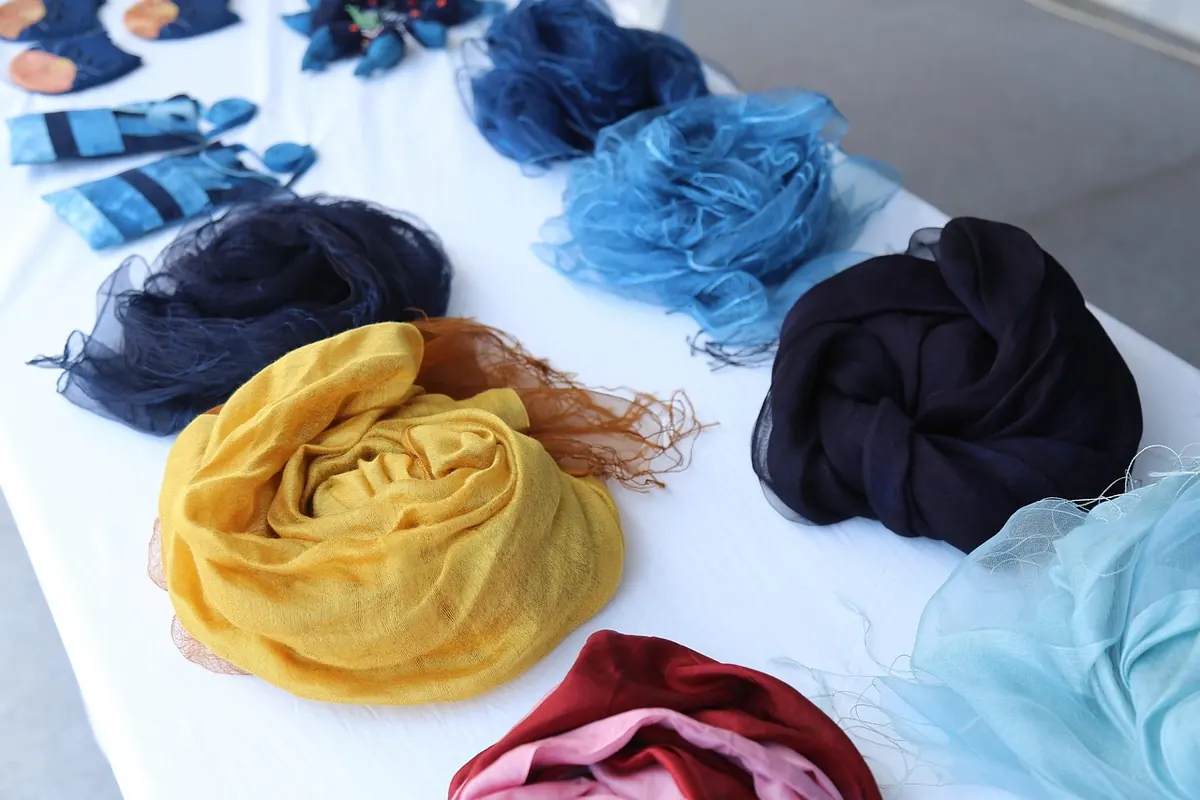
- Dyeing with dried madder root, walnut hulls, and saved flower heads
- Dried flower wreaths, wall hangings, and arrangements
- Basket weaving with soaked reed or willow
- Bookbinding, box making, and leatherwork
- Beeswax candles, soaps, and balms
- Wood carving, spoon work, and green woodworking
- Quilting, mending, and hand knitting
What autumn asks of you
Patience and hand endurance. Wet felting is physical, carving needs control, and bookbinding demands precision at the sewing stage. Sessions often run two to four hours, and you may leave with a half-finished piece — which is normal, and one of the season's advantages. Dried materials don't spoil while your project waits a week.
Comparing the Two, Point by Point
- Materials: spring is fresh and perishable; autumn is dried, cured, or stored.
- Colour range: spring leans bright and pale; autumn leans rust, indigo, walnut, and ochre.
- Session length: spring tends short and single-session; autumn tends longer or weekly.
- Skill curve: spring suits absolute beginners; autumn suits learners ready to build on a first skill.
- Unfinished work: spring projects usually must be completed on the day; autumn projects can be paused and stored.
- Cleanup: spring involves wet plant matter and dye splashes; autumn involves fibre dust, wood shavings, and wax.
- What you take home: spring gives you one object quickly; autumn gives you a skill you can repeat at home.
- Cost: it varies by materials and class length, so ask the host what's included before booking rather than assuming one season is cheaper.
How to Choose: Five Questions Worth Asking Yourself
- Do you want to finish something today, or build something over several weeks?
- How do your hands and shoulders feel after two hours of detailed work?
- Would you rather be outdoors in mild weather or indoors with the kettle on?
- Are you drawn to colour first (spring) or texture first (autumn)?
- Do you have a shelf or box where a half-finished project can live safely?
If you're new to crafts, start with a short spring session to test your interest without a long commitment. If you already know you like working with your hands and want a weekly rhythm, an autumn course will probably suit you better.
For Hosts Planning a Seasonal Programme
Seasonal scheduling is not only about themes. Spring classes fill around school holidays and garden-ready weekends, so keep sessions short and limit materials to what you can gather fresh that week. Autumn suits longer formats, and it's the natural time to run a series rather than a one-off. Build drying and setting time into autumn timetables — wax, dye, glue, and green wood all need it. Ventilation matters more in cold months, when windows stay shut.
A Simple Way to Decide
Match the season to the energy you actually have, not to the calendar. Choose spring if you want a bright, low-commitment afternoon and a finished piece to show for it. Choose autumn if you want to slow down, work with materials that keep, and leave with a skill you can practise on your own kitchen table.
If you can't decide, do both: a single spring workshop to find your material, then an autumn course to go deeper into it. Bring layers, an apron, a notebook, and a box for whatever you make. And if a craft involves dyes, dust, solvents, or hours of repetitive movement — and you have a skin, breathing, or joint condition — check with a healthcare professional before signing up.
Photo: Tamanna Rumee / Pexels